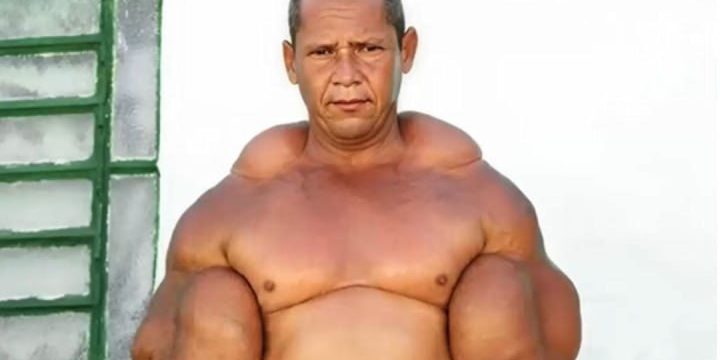
When people talk about love and attraction, one phrase comes up again and again: “like attracts like.” The idea suggests that we are naturally drawn to those who resemble us in appearance, personality, background, or lifestyle. While this belief has influenced how many people think about relationships, real life often tells a different story. It is surprisingly common to see couples who look very different from each other. One partner may be much taller, shorter, heavier, older, or physically distinct in ways that make the contrast immediately noticeable. These relationships, sometimes called “contrast couples,” challenge common expectations and offer an intriguing window into how human attraction really works.
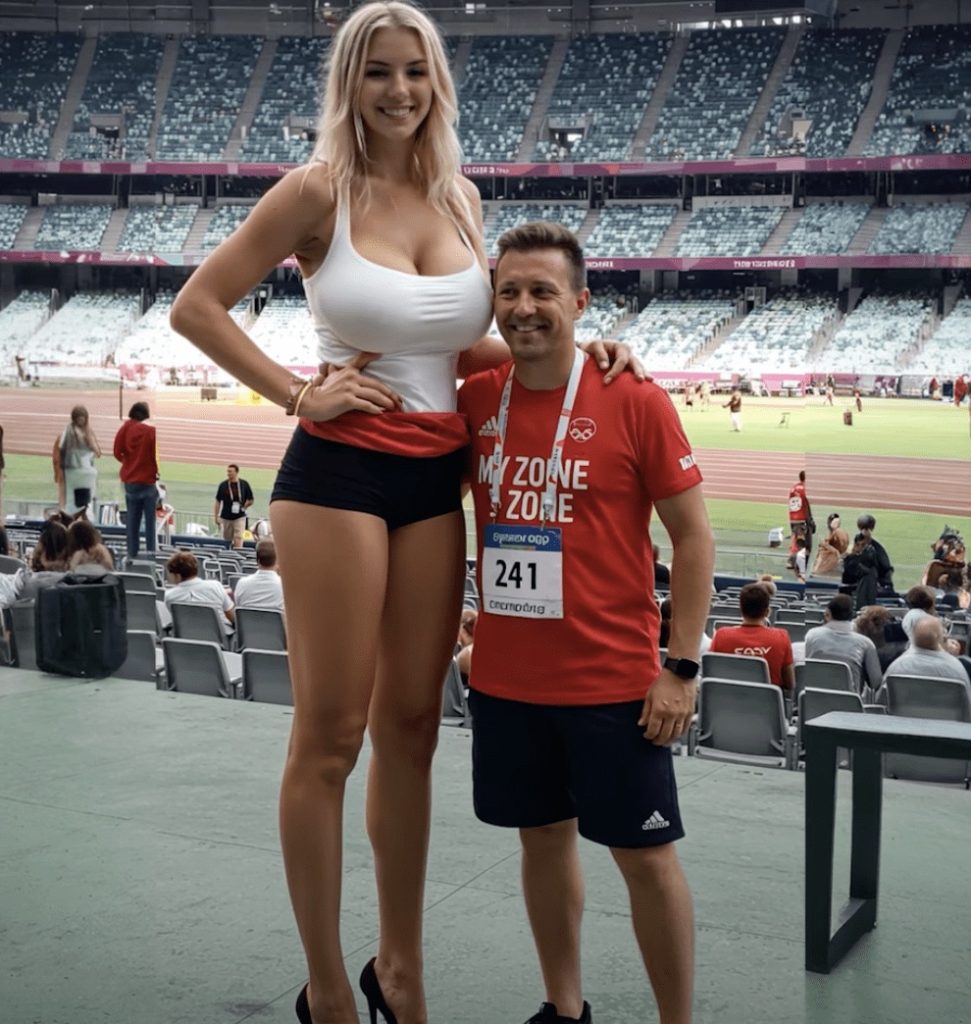
At first glance, these pairings might seem unusual simply because they stand out visually. However, when we look beyond the surface, they reveal something deeper about emotional connection, psychological balance, and the many ways people form meaningful bonds with one another.
For many years, social scientists believed that people were most likely to form relationships with others who were similar to themselves. This concept, known as homogamy, suggests that individuals often choose partners who share similar social backgrounds, values, education levels, and physical characteristics. From an evolutionary perspective, the theory made sense. Similar individuals are more likely to understand each other’s lifestyles, traditions, and expectations, which can reduce conflict and increase long-term compatibility.
Yet everyday relationships frequently challenge this assumption. Across cultures and communities, many couples include partners who appear very different from each other. Some relationships involve noticeable height differences, while others involve variations in body shape, age, or physical ability. These differences may catch the attention of observers, but they do not necessarily determine the strength or success of the relationship itself.
One explanation for why contrast couples form lies in the idea of complementary traits. In psychology, people sometimes feel drawn to partners who possess qualities they admire or feel they do not fully embody themselves. This does not mean someone feels incomplete. Instead, it reflects the natural human tendency to appreciate balance and harmony within a relationship.
For example, a very tall person might feel comfortable with a shorter partner whose personality feels warm, approachable, or gentle. Meanwhile, the shorter partner might appreciate the sense of calm or stability that the taller individual brings to the relationship. In another situation, partners with noticeable differences in body type may connect through shared humor, emotional understanding, or mutual respect. The physical contrast becomes only one small part of a much larger emotional picture.
In many cases, these relationships function like a balanced partnership where each person brings unique strengths and perspectives. Much like the concept of yin and yang, the differences between partners can create harmony rather than conflict. Instead of competing with one another, the individuals complement each other in ways that support emotional growth and stability.
Another important factor involves changing attitudes toward beauty and identity. Modern culture often promotes very narrow definitions of attractiveness through advertising, entertainment media, and social platforms. Images are frequently edited, filtered, and carefully curated, creating unrealistic expectations about how people “should” look in order to be considered desirable.
Contrast couples quietly challenge these ideas. By simply existing and thriving together, they demonstrate that genuine connection cannot be reduced to appearance alone. For many individuals, choosing a partner who does not match conventional beauty standards can reflect a deeper commitment to authenticity and emotional compatibility.
For some people, being in a visibly different relationship may even feel empowering. It represents a decision to value character, kindness, humor, and emotional intelligence over superficial criteria. Instead of trying to meet external expectations, these couples build relationships based on how they treat each other and how they feel together.
This emotional validation can be especially meaningful for individuals who have struggled with self-confidence or social acceptance earlier in life. Being appreciated for who you truly are—rather than how closely you fit cultural ideals—can create a powerful sense of belonging and security within the relationship.
Perhaps the most important element behind successful contrast couples is emotional chemistry. Physical appearance may attract initial attention, but long-term relationships are sustained by much deeper factors. Shared values, trust, communication, empathy, and mutual respect all play major roles in determining whether a partnership flourishes.
When two people form a strong emotional connection, physical differences gradually lose importance. Instead, the focus shifts toward how partners support each other, how they handle challenges together, and how they build a shared life. Couples who communicate openly and show consistent care for one another often report greater satisfaction and resilience in their relationships, regardless of visible differences.
Despite growing acceptance, contrast couples sometimes face curiosity or judgment from others. Strangers may stare in public or make assumptions about why two people who look different are together. Online comments can occasionally reflect lingering stereotypes about attractiveness and compatibility.
However, many couples develop strong resilience in response to these experiences. Facing outside opinions together can actually strengthen the partnership. When two people support each other through criticism or misunderstanding, they often build a deeper sense of trust and loyalty.
In recent years, social media platforms have also played a role in changing public perception. Couples who share their everyday lives online help normalize the idea that love can take many different forms. Viewers see genuine affection, humor, teamwork, and shared experiences that go far beyond physical appearance. These stories gradually shift cultural attitudes and remind audiences that real relationships rarely look like idealized images.
Ultimately, attraction is deeply personal and influenced by many factors that outsiders cannot easily see. Individual life experiences, emotional needs, family background, and personal values all shape how someone perceives compatibility. Sometimes people feel drawn to partners who reflect familiar aspects of their lives, while other times they feel inspired by someone whose qualities are refreshingly different from their own.
Contrast couples highlight an important truth about human relationships: meaningful connection often grows from understanding rather than similarity. These partnerships show that differences do not automatically create barriers. In fact, they can open opportunities for learning, empathy, and mutual growth.
Healthy relationships are built on several core foundations. Feeling safe and respected allows individuals to express their true personalities without fear of judgment. Being understood encourages open communication and emotional honesty. Celebrating differences rather than trying to eliminate them creates a dynamic environment where both partners can continue evolving as individuals.
When couples approach their relationship with curiosity and appreciation for each other’s perspectives, visible differences become sources of richness rather than obstacles. Partners learn from each other’s experiences and develop greater empathy for the world beyond their own viewpoints.
In the end, contrast couples invite us to rethink how we define attraction and compatibility. They remind us that love is rarely about perfect symmetry. Instead, it is about emotional harmony, shared values, and the ability to grow together through life’s challenges and joys.
While some relationships may initially attract attention because of visible differences, their true strength lies in the invisible qualities that sustain them. Compassion, patience, humor, and trust form the foundation of lasting partnerships.
The human heart does not always follow predictable patterns or social expectations. It responds to authenticity, kindness, and genuine emotional connection. And often, those qualities appear in the most unexpected combinations, reminding us that love’s greatest beauty lies in its diversity.