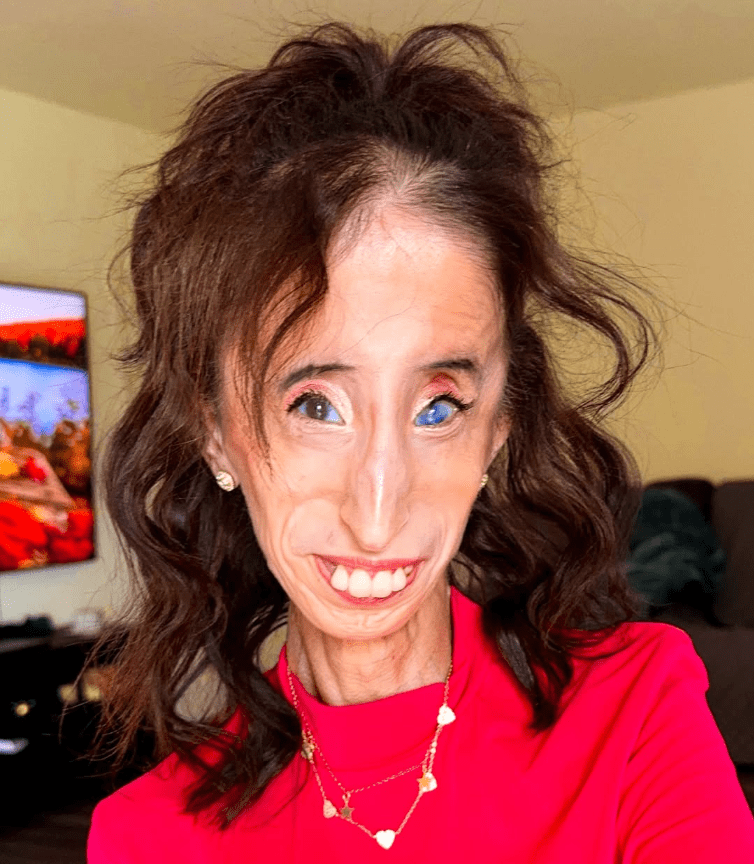
When Lizzie Velasquez was born on March 13, 1989, in Texas, few people could have imagined that the tiny baby would grow into one of the most recognizable voices for compassion and resilience in the modern world. At birth she weighed only 2.1 kilograms, so small that doctors immediately realized her life would not follow a typical path. As she grew older, specialists eventually diagnosed her with Marfanoid–Progeroid–Lipodystrophy Syndrome, an extraordinarily rare condition with only a handful of documented cases worldwide. The disorder prevents her body from storing fat or gaining weight regardless of how much she eats. Throughout her entire life Lizzie has never weighed more than about 28 kilograms. The condition also affected her eyesight, leaving her blind in her left eye. From the beginning, she had to learn how to live in a world that struggled to understand differences and often responded with confusion instead of compassion.
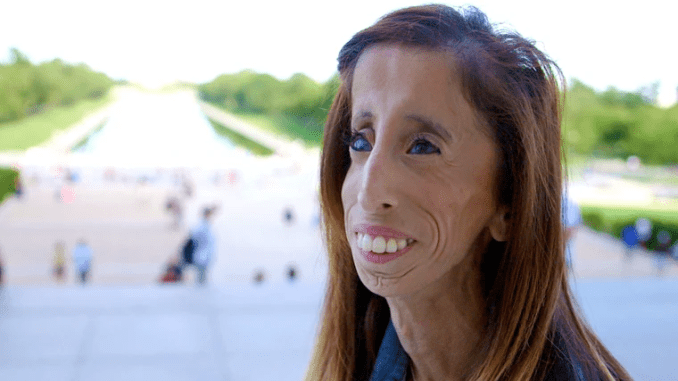
For most children, school is a place where friendships are formed and memories are made. For Lizzie, however, it often felt like a place where her differences were constantly highlighted. Classmates stared, whispered, and sometimes laughed. Words that no child should ever hear were directed at her again and again. She was called skinny, sick, and eventually something far more painful: the ugliest girl in the world. Those labels were not just playground teasing. They reflected how society sometimes reacts to anyone who looks different from what people expect. The experience left deep emotional scars. Yet even during those difficult years, Lizzie continued to attend school, work hard, and try to understand the world around her. What she faced during childhood would later shape the strength and perspective that defined her future.
The cruelty reached an especially painful moment when Lizzie discovered a video of herself posted online with the title “the world’s ugliest woman.” The video spread quickly across the internet and was viewed by millions of strangers. The comment sections were filled with harsh jokes, insults, and thoughtless remarks about her appearance. For most people, discovering something like that would feel overwhelming and humiliating. It would be easy to hide from the world or avoid public life entirely. Lizzie later admitted that seeing those comments hurt deeply. She was still young, and the sudden wave of public criticism felt impossible to process. Yet in that moment of pain she faced a decision that would ultimately change the direction of her life.
Instead of letting those words define her, Lizzie decided to redefine the situation itself. She realized that the internet, the same space where strangers had tried to tear her down, could also become a place where she shared a different message. Rather than disappearing from view, she began speaking openly about her experiences. She started a YouTube channel and began sharing honest videos about her life, her challenges, and her perspective on kindness. Her approach was never defensive or angry. Instead, she focused on encouraging people who felt insecure, isolated, or judged by others. Her videos showed the everyday realities of living with a rare condition while reminding viewers that every person deserves dignity and respect. Slowly her audience began to grow, not out of curiosity, but out of genuine admiration.
A defining moment in Lizzie’s journey came in December 2013 when she stepped onto the stage at TEDxAustinWomen. Standing in front of a large audience, she spoke openly about the bullying she had faced and the painful video that once labeled her in such a cruel way. But instead of focusing only on the hurt, she explained how she chose to transform that experience into motivation. She challenged the audience to think about how society defines beauty and success. Her message was simple yet powerful: you cannot let the opinions of strangers decide your value. The talk resonated deeply with viewers around the world. Within a short time, millions of people had watched it online, and many described it as one of the most powerful speeches they had ever heard.
After the talk spread across the internet, Lizzie’s life entered a new chapter. She continued her education and earned a degree in communications from Texas State University, strengthening her ability to connect with audiences and share meaningful messages. Soon she began receiving invitations to speak at schools, conferences, and major events across the country. Her presentations focused on resilience, self-acceptance, and the importance of treating others with kindness. People from many different backgrounds connected with her story because it addressed something universal: the desire to feel accepted and valued. Through public speaking she turned what had once been a painful experience into a powerful platform that encouraged people everywhere to rethink how they treat one another.

Lizzie also became a successful author, writing books that explore themes of confidence, compassion, and personal growth. In her writing she shares practical advice alongside her own life experiences, showing readers that challenges do not have to determine the outcome of their lives. Her work emphasizes that self-worth should never depend on appearance, popularity, or public approval. Instead, she encourages readers to focus on character, empathy, and perseverance. Her books have helped many people who struggle with bullying or insecurity feel understood and supported. In this way, her influence has extended far beyond speeches or videos, creating a community of readers who continue to share her message of hope.

Social media has played an important role in Lizzie’s mission. While online platforms can sometimes amplify negativity, she has chosen to use them as tools for encouragement and education. Her posts often include motivational reflections, personal stories, and reminders about kindness. At times she has also spoken out when online trends cross the line into cruelty. When a prank trend on social media used her image in a disrespectful way, she addressed it directly and reminded people that real individuals stand behind every photo and every story. Her response was calm but firm, and it sparked important conversations about accountability and empathy in the digital world.
Today Lizzie Velasquez continues to travel, speak, and connect with people around the globe. Her story challenges the narrow standards of beauty often promoted by media and culture. She reminds audiences that true beauty is not defined by physical perfection but by compassion, determination, and the courage to stay authentic. By sharing her journey openly, she has helped countless people feel less alone in their own struggles. Lizzie’s life demonstrates that resilience can transform even the harshest criticism into something meaningful. The same world that once tried to define her with a cruel label now recognizes her as a powerful advocate for kindness, confidence, and the belief that every human life carries undeniable value.