In a world where beauty standards are constantly evolving, conversations about body image and attraction often spark curiosity, reflection, and sometimes passionate debate. One topic that has gradually moved into the spotlight is the genuine attraction many people feel toward larger body types. For decades, this kind of attraction has been misunderstood, reduced to stereotypes, or quietly dismissed by mainstream culture. Yet the reality is far more complex and far more human. Attraction rooted in size positivity is not a novelty or a trend. It reflects a deeper understanding of connection, acceptance, and authenticity that goes far beyond superficial assumptions about appearance.
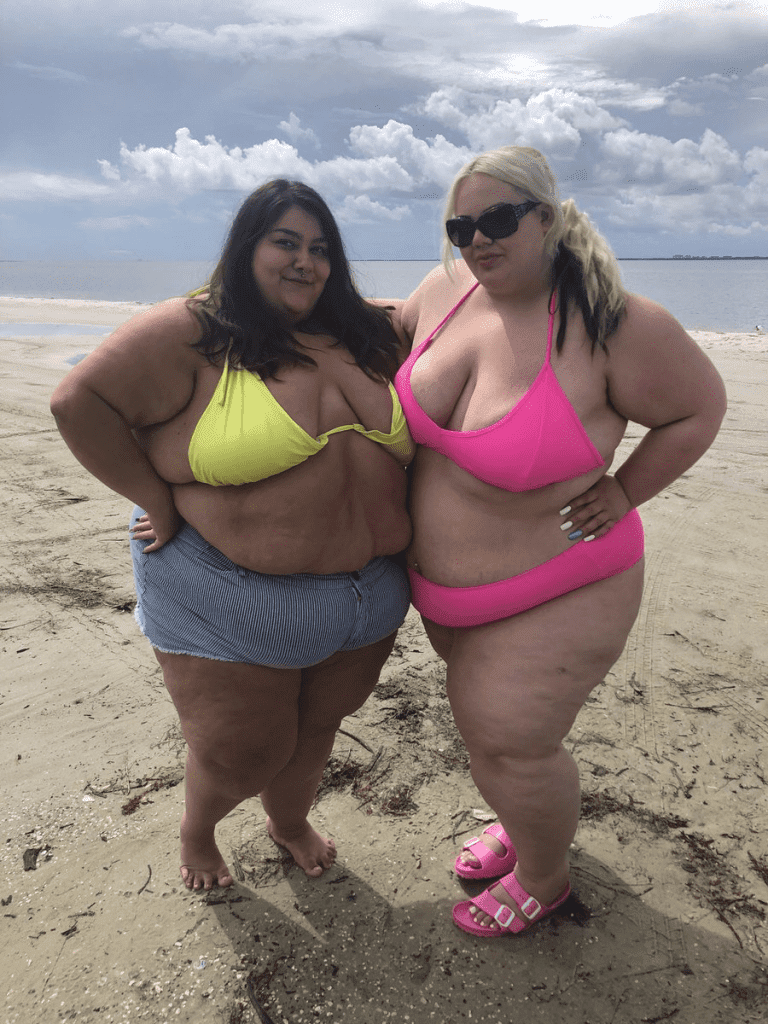
To understand this perspective more clearly, it helps to step back and examine what size-positive attraction truly means and why it matters in a broader cultural conversation. At its most basic level, size-positive attraction refers to individuals who feel emotionally, romantically, or physically drawn to people with larger bodies. Just like any other form of attraction, it develops naturally and often reflects personal experiences, emotional compatibility, and individual preference. It is not something manufactured by social media or modern trends. Instead, it exists because human attraction has always been diverse, shaped by personality, warmth, and emotional connection as much as by physical appearance.
In many relationships where size-positive attraction is present, partners often describe qualities that go beyond physical features. They talk about feeling comfortable, emotionally safe, and deeply appreciated. Characteristics such as confidence, kindness, humor, and a strong sense of identity often become central to the connection. For some people, these qualities naturally align with individuals who embrace their bodies with authenticity. The attraction therefore becomes less about size itself and more about the energy and presence someone brings into a relationship.
Despite this reality, mainstream culture has historically promoted narrow ideas about beauty. These limited standards have often led to misunderstandings about people who appreciate larger body types. One of the most common misconceptions is that such attraction must be unusual or based on shallow motivations. In reality, people in these relationships frequently describe deep emotional bonds built on shared values, mutual respect, and meaningful companionship. The body becomes only one element within a much larger picture that includes personality, dreams, life experiences, and emotional depth.
Reducing attraction to a stereotype ignores the complexity of human relationships. Attraction is rarely a single-dimension experience. It involves emotional resonance, shared humor, trust, and the comfort of being understood. When someone appreciates a partner who lives confidently in their body, that appreciation often reflects admiration for authenticity rather than a fixation on appearance. In this sense, size-positive attraction highlights something universal about human connection: people are drawn to those who make them feel valued, accepted, and emotionally seen.
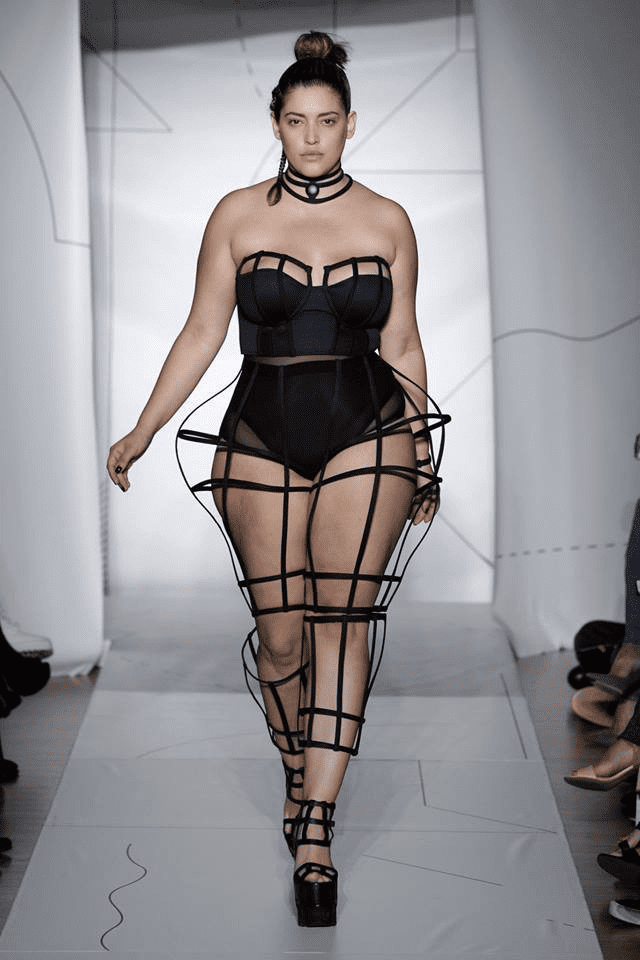
In recent years, the body positivity movement has helped reshape how society discusses beauty and self-image. For generations, advertising, entertainment, and fashion industries promoted a narrow and often unrealistic standard of attractiveness. Today, those definitions are slowly expanding. Plus-size fashion designers, influencers, and public figures have played an important role in challenging outdated expectations. Their visibility has opened doors for conversations that were once difficult to have openly.
Social media platforms have accelerated this shift by giving individuals with diverse body types a place to share their stories and experiences. Communities centered around body acceptance have emerged across the internet, offering encouragement and support for people who may have felt invisible in traditional media. These spaces often emphasize self-respect, mental well-being, and the importance of rejecting harmful comparisons. As more people participate in these conversations, the narrative around attraction continues to broaden.
Psychology also offers insight into why attraction varies so widely from person to person. Human preferences are shaped by a combination of culture, memory, environment, and emotional needs. Early experiences, family influences, and social surroundings can all play subtle roles in shaping what someone finds appealing. For some individuals, nurturing energy or a warm personality becomes a powerful draw. For others, confidence and authenticity create a magnetic presence that naturally inspires attraction.
Research in social psychology consistently shows that attraction cannot be reduced to a single universal formula. People connect through shared values, emotional chemistry, and mutual understanding. When attraction toward larger bodies exists within a respectful and supportive relationship, it reflects the same emotional dynamics that sustain any healthy partnership. The foundation remains communication, empathy, and appreciation for one another as individuals.
Another important aspect of size-inclusive attraction is the role of confidence. When individuals feel accepted and respected for who they are, confidence tends to grow. That confidence can transform how people carry themselves, interact with others, and approach relationships. Many partners describe how this sense of freedom strengthens their bond. They are able to focus on building trust and enjoying each other’s company instead of worrying about unrealistic expectations or societal judgment.
This dynamic often creates a positive cycle. Acceptance nurtures confidence, and confidence deepens attraction. In such environments, both individuals can express themselves more openly. Emotional intimacy becomes stronger because neither partner feels pressured to hide parts of themselves. The relationship grows around authenticity rather than conformity.
At a cultural level, society is gradually moving toward a more inclusive understanding of beauty. Major brands are beginning to feature models of different shapes and sizes. Conversations about body image are becoming more nuanced in healthcare, education, and media. While progress is still ongoing, the direction is clear: beauty and attractiveness cannot be defined by a single measurement or standard.
This cultural shift is encouraging people to speak more openly about their genuine preferences. Instead of feeling pressured to follow narrow ideals, individuals are increasingly recognizing that attraction is deeply personal. It reflects what makes someone feel emotionally connected, respected, and inspired. For many, appreciating larger body types is simply one expression of that broader diversity.
Ultimately, attraction to larger bodies should not be viewed as a curiosity or something unusual. It is one of many natural variations in how people experience connection and desire. At its core, it emphasizes respect, emotional depth, and the freedom to appreciate authenticity in others. As society continues to expand its understanding of beauty, these perspectives remind us that human relationships thrive on empathy, individuality, and openness.
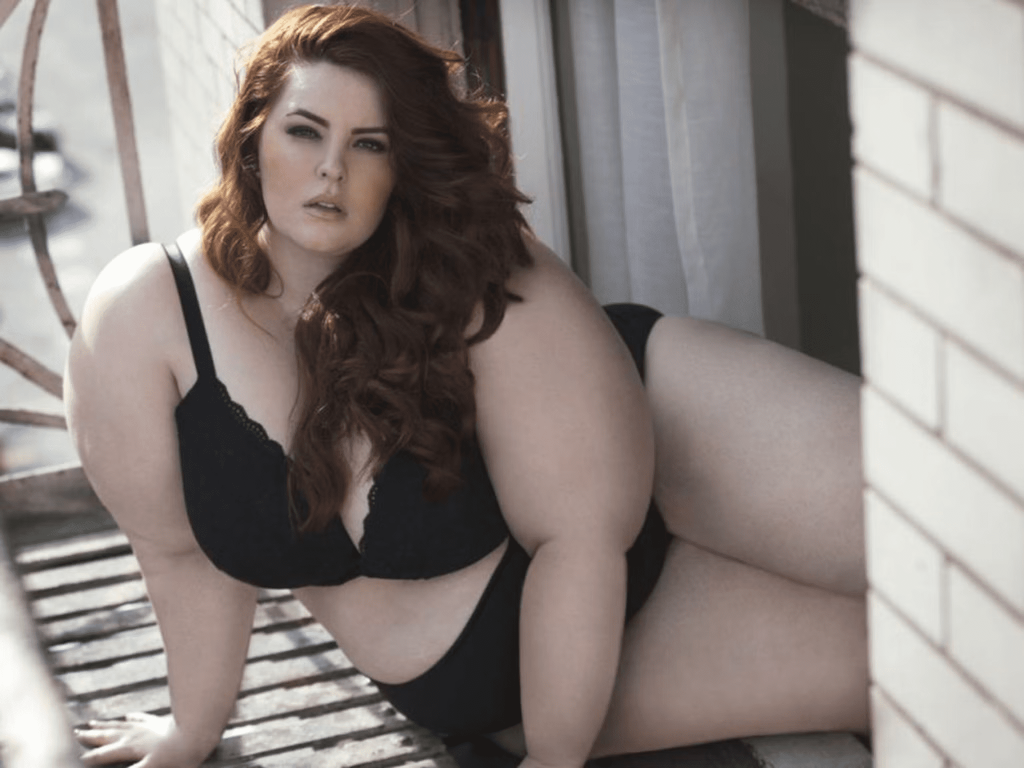
When we step back and look at the bigger picture, one message becomes clear. Love, attraction, and companionship are not governed by rigid rules. They grow where there is understanding, mutual appreciation, and genuine emotional connection. The diversity of human attraction is not something to question or judge. Instead, it is a reflection of the richness and complexity that makes human relationships meaningful in the first place.