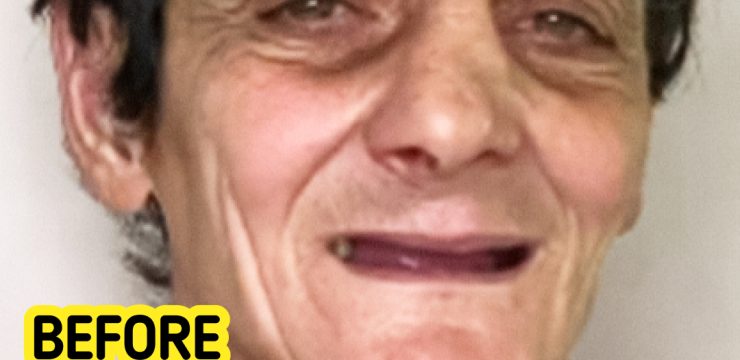
In a world increasingly obsessed with thinness and appearance, Kristina Karyagina became an unexpected and heartbreaking example of how far society’s beauty standards can push a vulnerable mind. At only nineteen years old, she weighed just seventeen kilograms, less than what many healthy six year old children weigh. Photographs of her frail body began circulating across the internet, stunning viewers around the world. Yet behind those widely shared images was a deeply painful human story that most headlines failed to understand or explain. What people saw online looked shocking, but the real issue was never spectacle. It was a story about mental health struggle, resilience, and the urgent need for compassion in a digital culture that too often reacts before understanding.

Kristina’s difficulties began during her final year of high school in Russia. She was known as a hardworking student determined to achieve the highest grades possible. Academic pressure, however, slowly turned into an unhealthy relationship with food. In an attempt to maintain control over her demanding schedule, she began skipping meals altogether. Some days she would eat nothing more than an apple or a single banana. That minimal intake became her entire daily diet. She was not intentionally trying to create a dramatic diet plan. Instead she was slowly fading away while believing she still had everything under control. Even though Kristina graduated with excellent marks, her physical condition had already become dangerously fragile. By the time she entered university, her body had grown extremely weak and thin. Simple daily tasks became exhausting. Employers who noticed her declining health hesitated to hire someone who looked medically unstable. For a young woman once praised for her intelligence and dedication, this sudden rejection was deeply painful.
As images of Kristina appeared online, social media audiences reacted with shock but also cruelty. Commenters described her appearance with harsh words, comparing her to something from a horror film. Instead of recognizing the signs of severe illness, many people treated her photos as sensational curiosities. The reality, however, was far more serious. Kristina was battling anorexia nervosa, a complex psychiatric disorder that gradually damages the entire body including muscles, bones, organs, and the mind. Medical experts warn that anorexia carries one of the highest mortality rates among mental health conditions. Without proper treatment, it can lead to infertility, irreversible organ damage, and in some cases death.
A major turning point came in 2016 when Kristina bravely agreed to appear on a Russian television talk show called Let Them Talk. Sitting before a national audience, she described the painful reality of living with anorexia. Among the viewers was Maria Kokhno, a reality television personality who had personally survived her own battle with the disorder. Maria recognized the fear and isolation in Kristina’s story. Instead of offering sympathy from afar, she decided to take action. Using her large Instagram following of more than five hundred thousand people, Maria organized a crowdfunding campaign to help pay for medical treatment.
She also connected Kristina with Dr. Yan Goland, a respected specialist known for treating severe eating disorders. After evaluating Kristina’s condition, Dr. Goland made an extraordinary decision. He agreed to treat her without charging fees because he understood how urgent her situation had become. Recovery, however, would require much more than medical supervision. Anorexia often functions like a psychological prison where control, fear, and self criticism dominate everyday thinking. Early examinations showed that several of Kristina’s organ systems were already struggling to function.
Under careful monitoring in the city of Nizhny Novgorod, Kristina began a gradual recovery program. Doctors introduced controlled nutritional support, therapy, and regular medical observation. Weight gain happened slowly, and sometimes her body resisted the process. Eating disorders rarely disappear quickly. Healing requires patience, professional guidance, and strong emotional support. Over nearly two years, Kristina followed this demanding treatment routine. Some weeks showed progress, while others brought setbacks. Yet each step forward demonstrated remarkable determination.

By early 2020, the intense public attention surrounding her story began to feel overwhelming. Constant questions, online comments, and repeated discussion about her weight made recovery more difficult. Hoping to protect her mental health, Kristina eventually deactivated her public social media profile. Her final post showed a quiet photograph with her grandmother. She gently asked followers to stop focusing on numbers on a scale and allow her space to heal.

Long before illness reshaped her life, Kristina had been a cheerful child, curious about learning and eager to build a meaningful future. Family members remember her laughter, her academic ambitions, and the many dreams she once described. Unfortunately, those qualities were overshadowed when her identity became reduced to a number on a medical chart or a viral photograph shared without context. Behind every headline, however, remains a daughter, a friend, and a person deserving dignity, respect, and understanding.

Kristina’s experience offers several powerful lessons for society. First, early intervention matters. When families, teachers, or friends notice sudden weight loss, obsessive food habits, or distorted self image, seeking professional guidance quickly can save lives. Second, mental health must always be treated as real medical care. Eating disorders are not lifestyle choices. They are complex psychological conditions requiring trained doctors, therapists, and long term support.

Finally, the way society reacts online matters. Compassion should always outweigh curiosity. Viral images and shocking headlines may attract attention, but they should never replace empathy. Every person whose struggle becomes public deserves patience, kindness, and thoughtful understanding. Kristina’s journey also reminds us that recovery rarely follows a perfect timeline. Healing can take many years, and each small improvement represents courage that outsiders may never fully see.

The next time we encounter a troubling photo or a story spreading rapidly across the internet, it is worth pausing for a moment before reacting. What appears shocking in a single image might represent only one small frame of a much larger human story. Asking how we can help, listening with patience, and encouraging compassionate support can make a real difference. For people like Kristina, the bravest battles often happen far away from cameras and public attention. Yet those quiet struggles deserve respect, hope, and continued care from a world learning slowly to value empathy over judgment. Kristina’s story ultimately reminds us that healing begins when communities choose understanding instead of ridicule, support instead of silence, and responsible awareness instead of careless sharing. If more people respond with empathy rather than judgment, countless individuals struggling quietly with eating disorders may find the courage to seek help sooner and begin their own path toward recovery, dignity, stability, and renewed hope for the future they deserve to live with strength again.